
Week 106 · Hanoi & Ha Long Bay, Vietnam · January 2016
Hanoi &
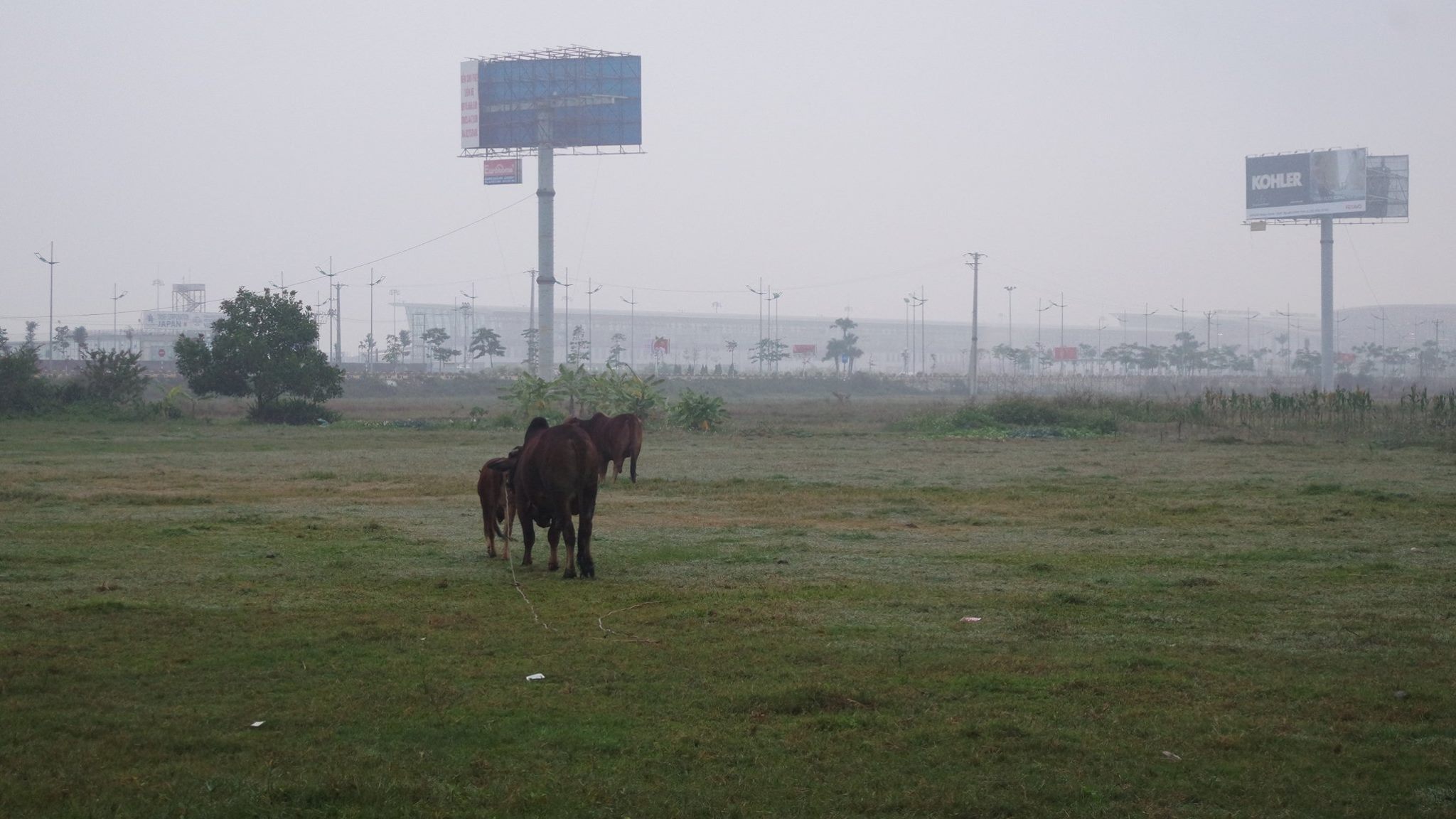
I had visited Hanoi back in 2011 and had planned to stay the weekend to visit Ha Long Bay — but had to come back for some reason I can't remember. So my plan was to never actually go to Hanoi and have the tour bus pick me up at the hotel at the airport. Things didn't quite go to plan.
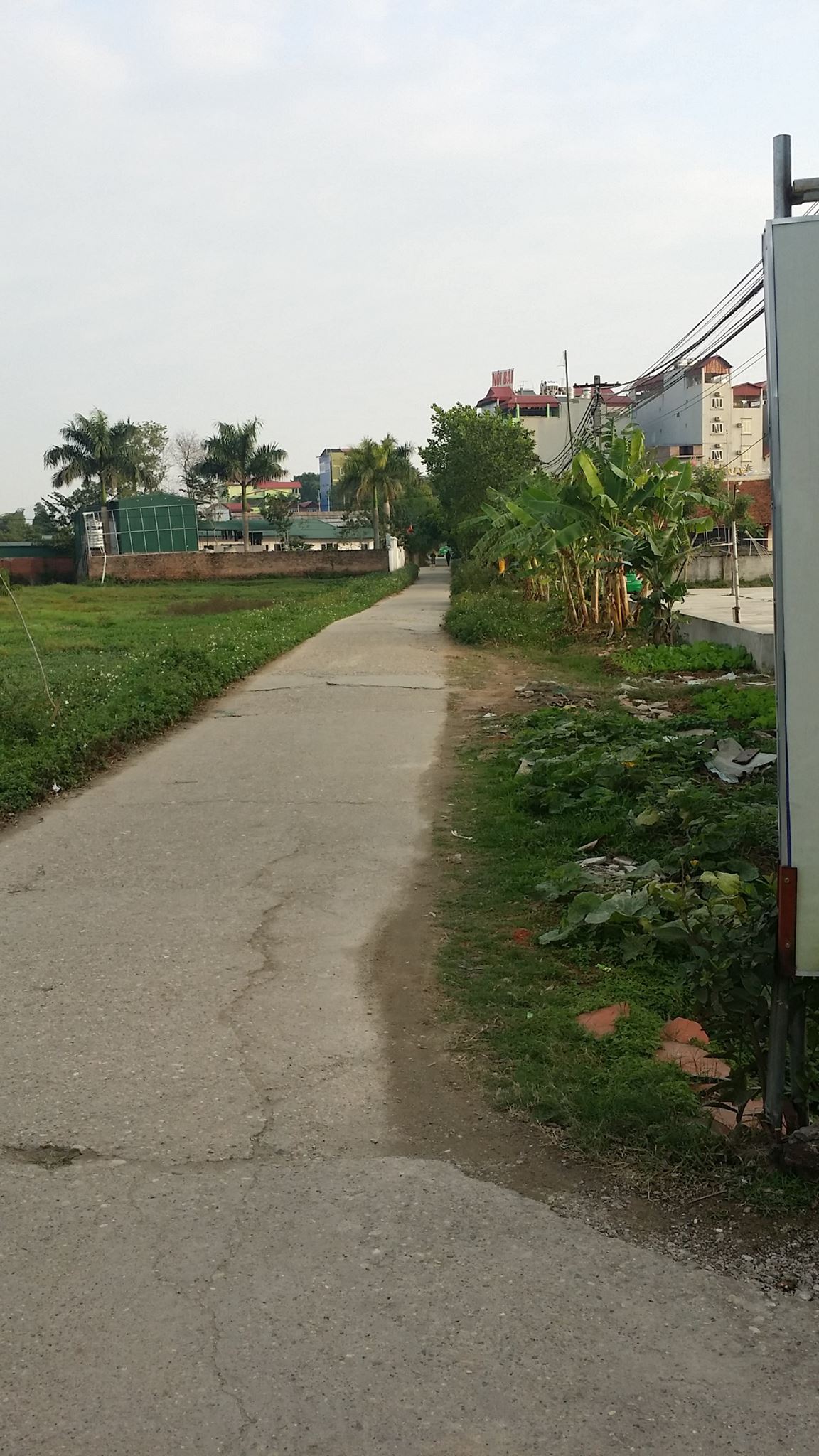
I knew this would be a tough transition — obtaining a visa, finding a small hotel, and confirming the tour would actually pick up at a random hotel in the middle of nowhere. Visa worked out fine. Finding the hotel was about a 40-minute ordeal that included a scooter ride from a 12-year-old who didn't know where to go either — but we found it. The only time the backpack was needed. Once on wifi, I got an email from the tour company saying they didn't pick up at airport hotels and I needed to go to Hanoi. So the hotel arranged a ride — but the taxi driver didn't know where the Opera House was located. He gave up and dropped me off in the centre of town. No one knew where the Opera House was. Found a tourist, looked at a map, and walked there — luckily I had allowed some extra time. Apparently it was pronounced the "Oprah House." Everyone knew where the Oprah House was.
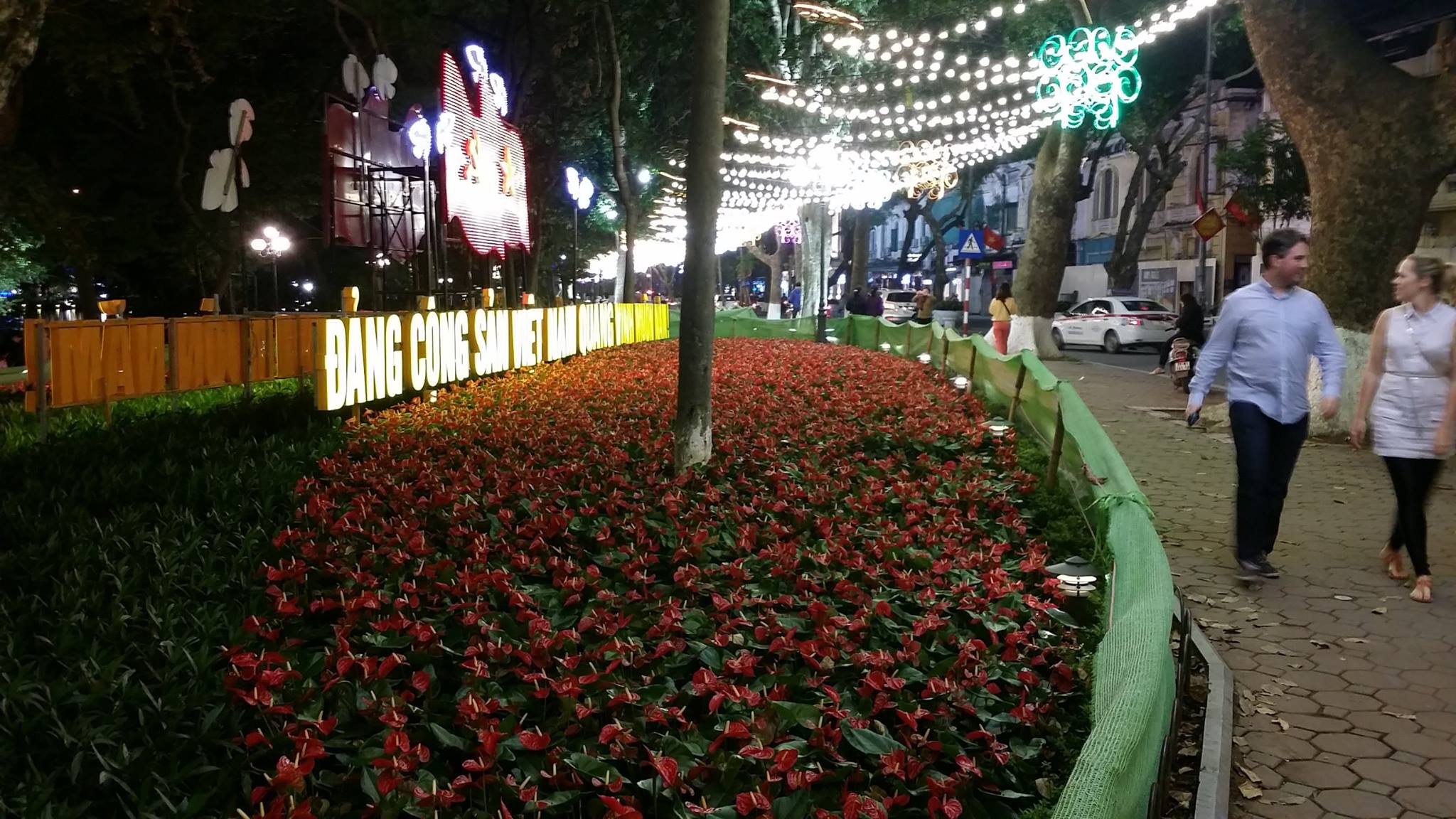
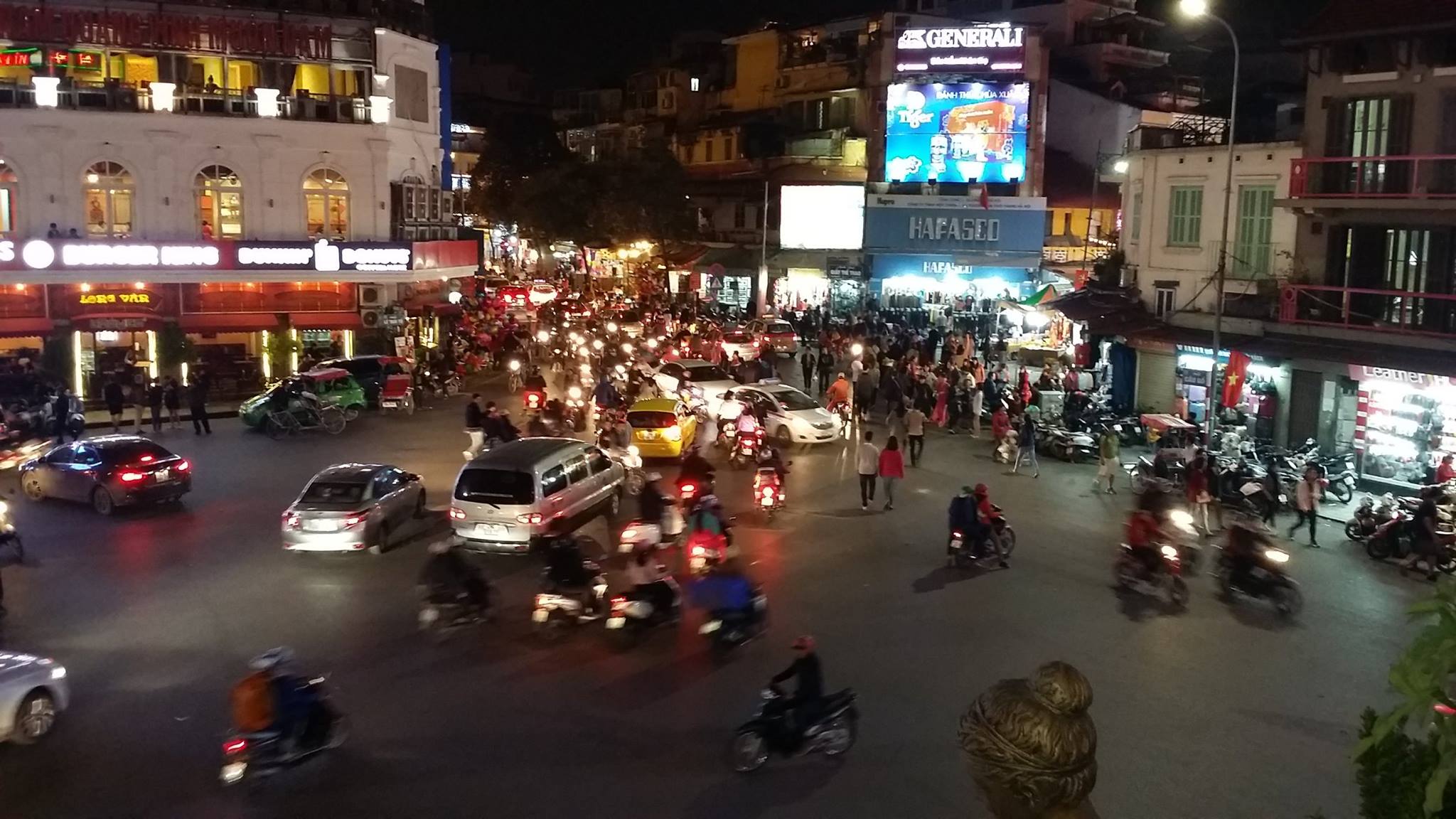
Was dropped back off at the Oprah House at about 8pm so stayed for dinner. More time in Hanoi than expected, but glad I did — it is much nicer and continuing to improve. Probably one of the nicer city centres in Southeast Asia.
The Hanoi Opera House — built by the French colonial administration between 1901 and 1911 — was modelled directly on the Palais Garnier in Paris and remains one of the finest examples of colonial architecture in Southeast Asia. The French Quarter surrounding it, known as the Ba Dinh district, retains much of its tree-lined boulevard character and was the administrative heart of French Indochina. Hanoi became the capital of reunified Vietnam in 1976 after the fall of Saigon. The Old Quarter — the 36-street merchant district north of Hoan Kiem Lake — dates from the 11th century and each street was historically devoted to a single trade, a system still loosely reflected in the neighbourhood's character today.

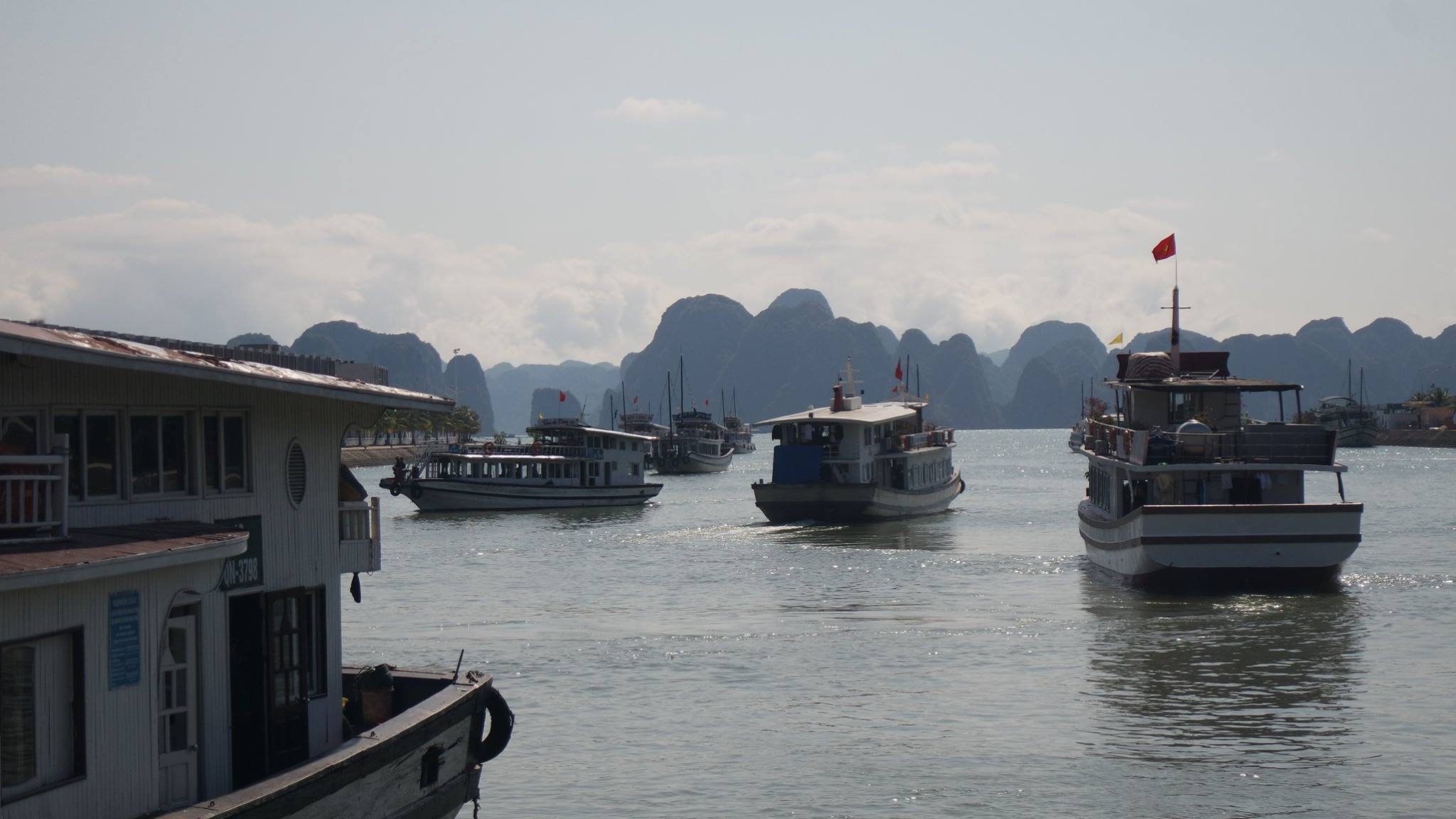
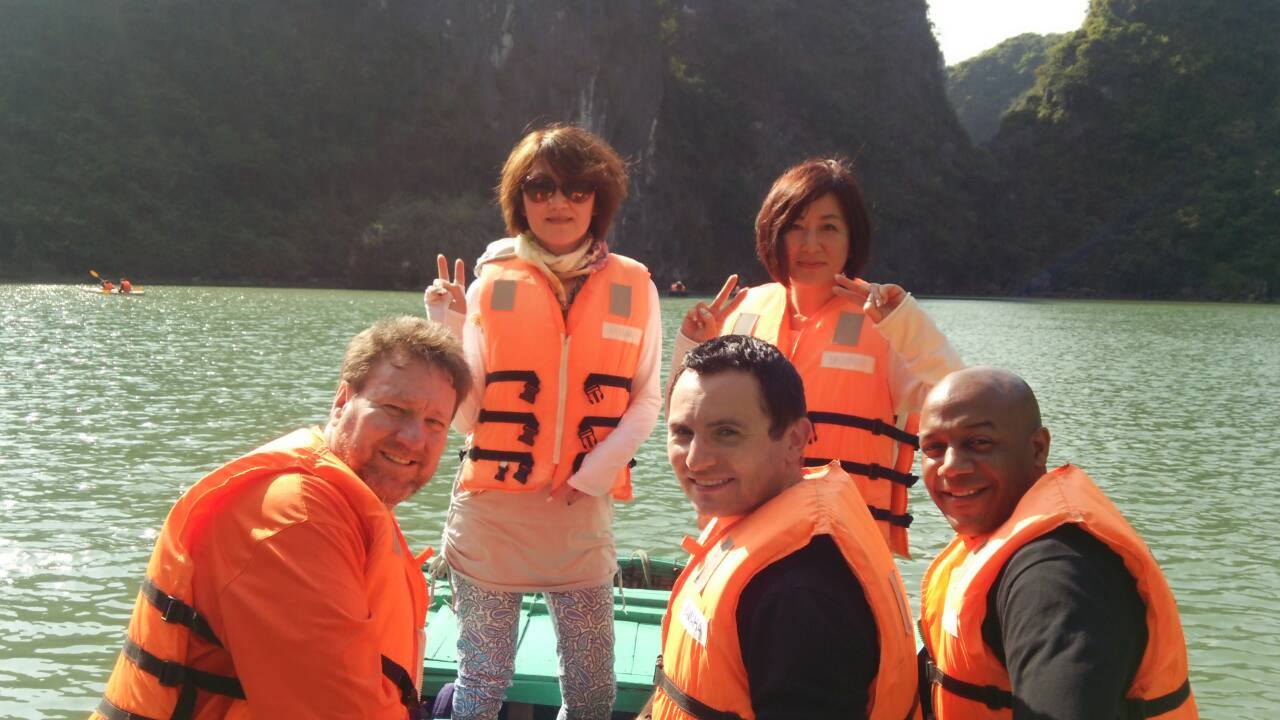
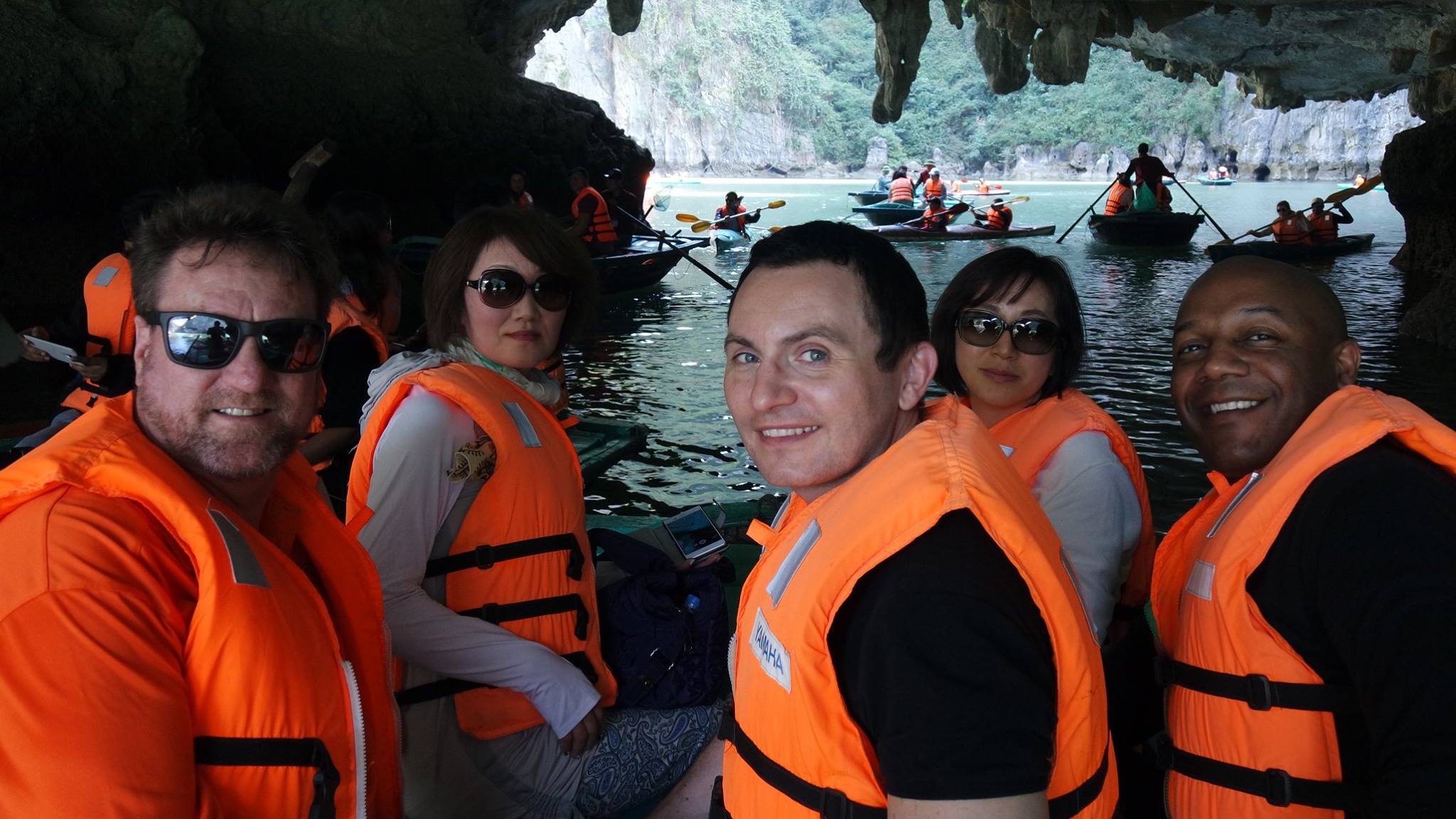
Brutal trip in one day to Ha Long Bay — recommend at least 2 days if you come and to take an overnight cruise. Eight hours on a minibus and four hours on the boat and bay. But truly spectacular — similar to Phang-nga in Thailand, but sunny and clear and a faster boat.

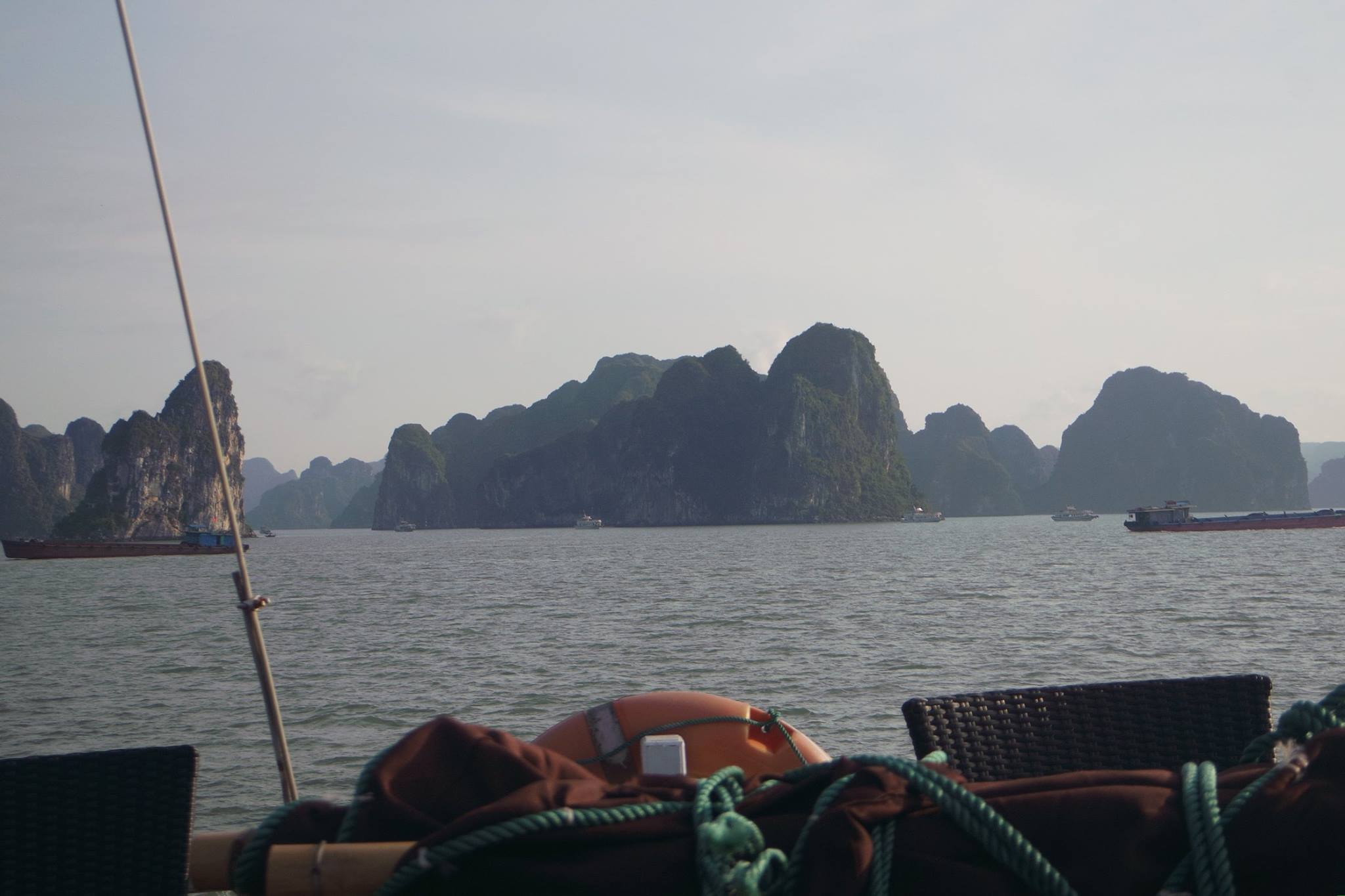
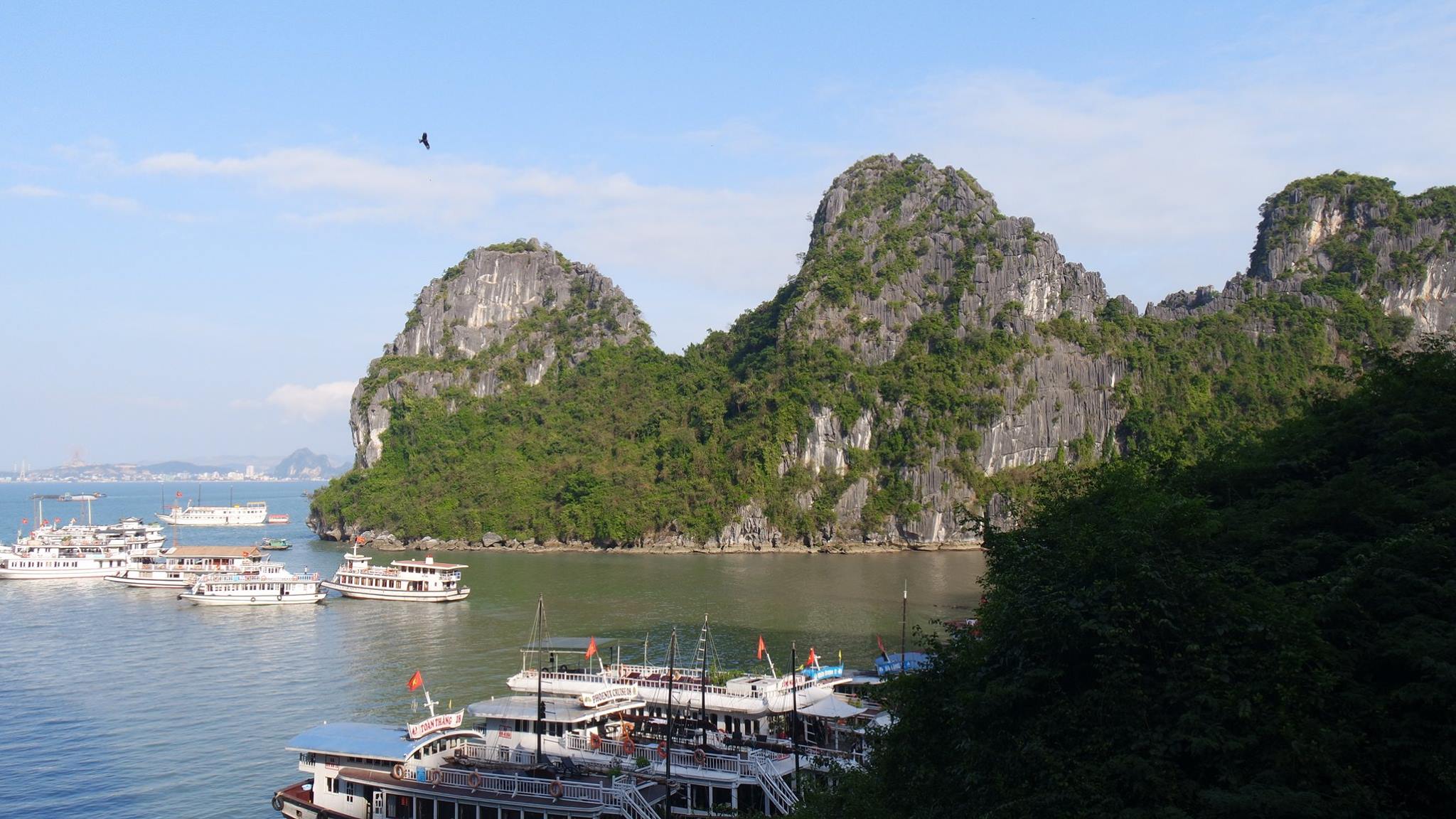
Interesting stories on the trip down from the tour guide. He said after the American war (that is what they called it) there was a lack of young men so polygamy was encouraged and maximising births was mandated by the communist government. Then the population grew too fast so in the mid-1980s the USSR provided 2 billion condoms for population control — no reduction in birth rate. Apparently they were designed for Russian men and were too big and fell off, thus useless. Not sure the Vietnam chamber of commerce was excited about that story.
"The USSR provided 2 billion condoms designed for Russian men. They were too big and fell off. No reduction in birth rate."
Another story from the proud communist — total sharing of everything doesn't work. When the proceeds of the rice field were split evenly, young men were lazy and old women ended up doing most of the work, but little rice was produced. Once the land was divided evenly and everyone reaped the proceeds of their own work, the young men had to work to get money and did. Then the smart old ladies started to make deals with the strongest young men to work together on their combined plots — the young men doing the lifting and the old ladies planting. Those ended up being the most successful plots. This was shared as a story of communism evolving. I think Adam Smith called it something else.
The "Doi Moi" (renovation) economic reforms, introduced by the Vietnamese Communist Party in 1986, effectively moved Vietnam from a centrally planned economy toward a socialist-oriented market economy — privatising agriculture and allowing individual enterprise while maintaining one-party political control. The rice collective failures the guide described were a direct driver of the reforms: decollectivisation of agriculture began in 1988, and Vietnam went from a rice importer to the world's third-largest rice exporter within a decade. The country has maintained an average GDP growth rate above 6% for most of the three decades since, widely considered one of the most successful economic transformations in Asia.
On the departure flight, AirAsia said the backpack was too big for carry-on but there wasn't enough connection time to check it. And not allowed to change to a later flight. They suggested I unload 50% and leave it behind. I said I would buy another seat so I would have double the carry-on allowance — my whole row was empty — they didn't get it and let me carry on. But it was the start of minor issues on the budget travel leg.